
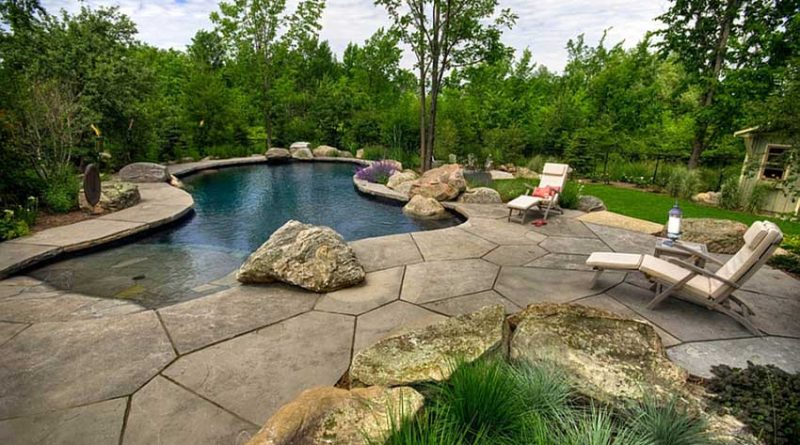
Creating a Pool Environment That Works as Well as It Looks
A pool is a significant investment that benefits enormously from the right landscaping context. The pool itself provides the water. The landscaping provides everything else – shade, privacy, surface materials for safe movement, planting that frames and softens the space, and the overall sense of whether the outdoor area feels like a genuinely enjoyable place to be or simply a hole in the ground surrounded by paving. When pool landscaping perth is approached thoughtfully and with proper planning, the pool becomes the centrepiece of an outdoor environment that gets used constantly. When it is done without that planning, the space often feels exposed, impractical, and expensive to correct.
Function Comes Before Aesthetics
Before thinking about what the pool area will look like, it is worth mapping out carefully how it will actually be used. Who uses the pool – adults, children, or both? If there are young children, clear sightlines from the main living area to the pool are a safety consideration that should shape the entire layout, not be addressed as an afterthought. Is there a need for privacy screening from neighbouring properties or from the street? Are there areas where shade is needed specifically for afternoon use, when the sun is at its hottest angle?
Are there multiple functions the outdoor area needs to serve – dining, relaxed lounging, children playing – and if so, can they coexist in the same space, or do they need distinct zones? Is there an outdoor kitchen or barbecue area that needs to relate sensibly to the pool zone?
These functional questions should be settled before any design decisions are made. A pool environment that looks beautiful but does not accommodate the way the family actually lives will be a source of ongoing frustration, and frustration with a space leads to it being used less.
Paving Around the Pool
The paving material surrounding a pool is one of the most significant decisions in the landscaping design – practically, aesthetically, and from a safety perspective. The primary requirement is that the material be non-slip when wet. This is not a stylistic preference; it is a safety imperative in a space where wet feet and running children are predictable conditions.
The material also needs to remain at a manageable surface temperature when exposed to direct summer sun. Some natural stones, particularly darker varieties, absorb and retain heat to a degree that makes them uncomfortable or even dangerous to walk on barefoot during peak summer conditions in Perth.
Travertine and some lighter-coloured limestones have long been popular for pool surrounds because they combine a reasonably cool surface temperature with a naturally textured finish that provides grip. Brushed or exposed aggregate concrete offers similar practical benefits at lower cost. Composite decking provides a warmer, more comfortable surface underfoot and integrates well where a timber aesthetic is preferred. What to avoid is smooth, polished, or glazed surfaces that look elegant indoors but present a genuine hazard around a pool.
Plant Selection for a Pool Environment
Planting choices around a pool are more constrained than in the wider garden, but there is still significant scope for beautiful and distinctive outcomes within those constraints. The key principles are selecting plants that shed minimal debris into the water, that do not produce messy fruit or seed pods during the swimming season, that are tolerant of occasional chlorinated splash, and that do not have aggressive root systems that could threaten underground plumbing or pool infrastructure.
Ornamental grasses, which provide movement and softness without significant leaf drop, work well in this environment. Many succulents and sculptural plants that emphasise form over flower are excellent choices. Certain palms can provide both shade and a strongly architectural quality, though species selection matters – some palms are heavy droppers of fronds and seeds.
Privacy screening is a priority for most pool areas. Bamboo, clumping varieties only and not running types, can achieve effective screening quickly and maintain it reliably. Native screening plants like certain lilly pillies are also well suited to Perth conditions. Deciduous trees are generally better avoided in areas close to the pool – they drop leaves precisely when the pool is most in use.
Shade Structures
Shade is something many homeowners underestimate during the design phase and regret later. A pool that cannot be comfortably enjoyed during the hottest afternoon hours for several months of the year is a pool that gets used significantly less than it should. Addressing shade at the design stage – through a pergola, a sail shade structure, or strategically positioned trees – is far simpler and less disruptive than retrofitting it once the landscaping is complete.
The position and orientation of shade structures needs to account for where the sun is during the hours the pool is most likely to be used, and in which season. A structure that provides perfect mid-afternoon shade in summer may inadvertently block winter sun from an area where it is wanted. Getting this right requires thinking through sun angles and seasonal variation rather than simply placing shade where it fits most conveniently.
Pool Fencing: Compliance and Character
Pool fencing in Western Australia is governed by specific requirements under the Building Regulations and associated standards, covering fence height, allowable gap dimensions in the fencing, gate mechanisms, and setback from the pool edge. These requirements exist because pool drowning is a preventable tragedy that the regulations are specifically designed to reduce.
Compliance is not optional, and non-compliance carries both legal consequences and insurance implications. Any pool landscaping project should include a systematic review of fencing requirements – both for new fencing being installed and for any existing fencing that will remain in place as part of the finished design.
Within the requirements, there is considerable latitude in terms of the character of the fencing – glass frameless or semi-frameless fencing is popular for its minimal visual impact, while aluminium tubular fencing in a range of profiles and colours can suit more traditional or cottage-style garden settings.
Designing for Long-Term Manageability
The best pool landscapes are designed with ongoing maintenance as a genuine consideration, not an afterthought. High-maintenance planting, complex water features, and paving that requires regular resealing or specialised cleaning can look impressive in the first season and become a burden in subsequent ones.
Having an honest conversation with a landscaper about the realistic maintenance requirements of different design choices – before those choices are made – produces environments that remain genuinely attractive and usable over time, rather than showing their age through neglect within a few years of installation.
A well-landscaped pool environment is one of the most used and most valued parts of a home – but only when it has been planned properly from the start. The decisions made at the design stage, particularly around orientation, safety, and plant selection, are what make the difference between a space that becomes central to daily life and one that never quite lives up to its potential.